Someone to check the assumption the whole project rests on.
Plants are usually designed for the load on paper. We are most useful where the load on paper and the load that arrives have parted company — and where the cost of finding out late is measured in years.
Where we consult
Retrofitting an operating plant as readily as designing a new one.
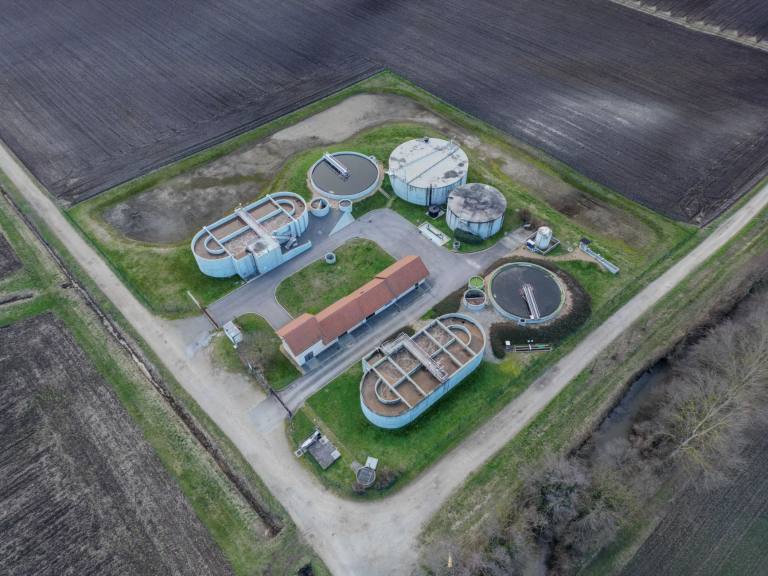
Water and Wastewater
Process water, sewage and recycling — characterisation, unit selection and sizing, tertiary polishing, reuse and zero liquid discharge, with the operating cost that each choice commits you to.
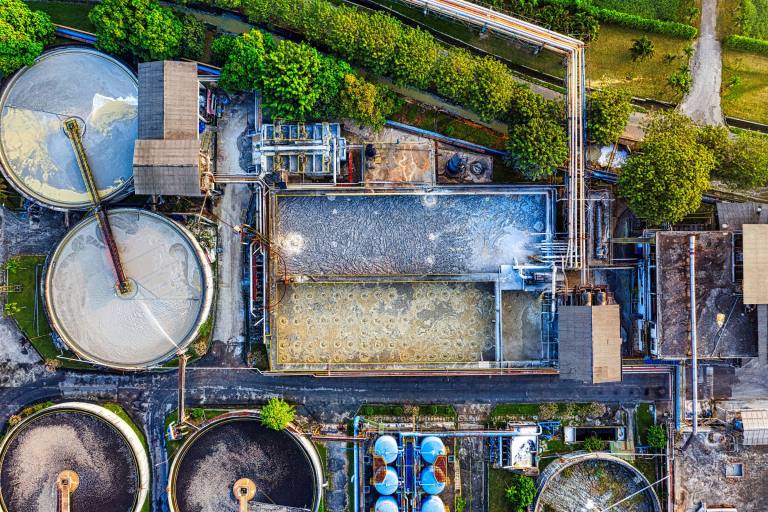
Effluent Treatment
Industrial effluent carried unit by unit — screening, equalisation, coagulation and flocculation, flotation, biological treatment, advanced oxidation and polishing — for streams that resist a standard train.
Environment
Meeting a consent condition and keeping it met — discharge quality, monitoring that reflects real operation, and the engineering behind a commitment made to a regulator.
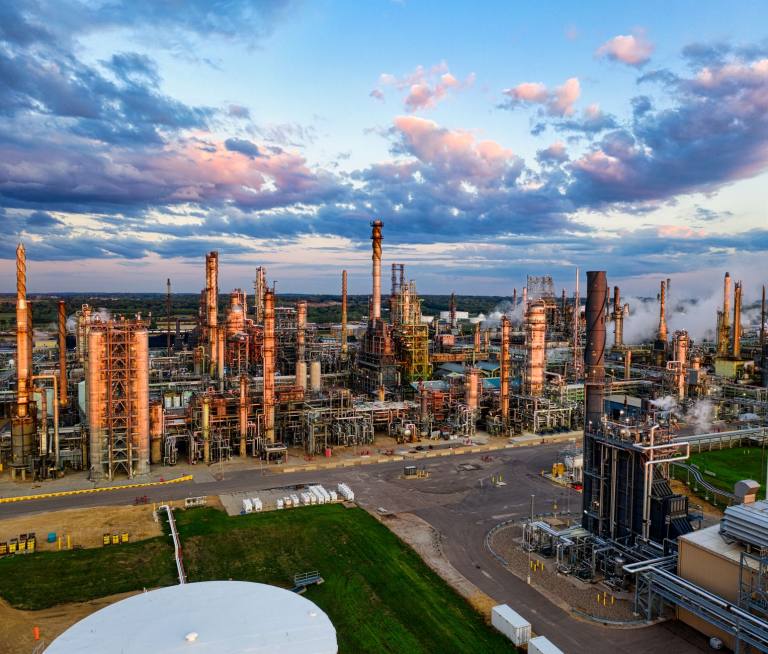
Oil and Gas
Produced and oily water, separation and emulsion behaviour, and combustion — an area where this company holds a granted patent on water‑in‑oil emulsion fuel.
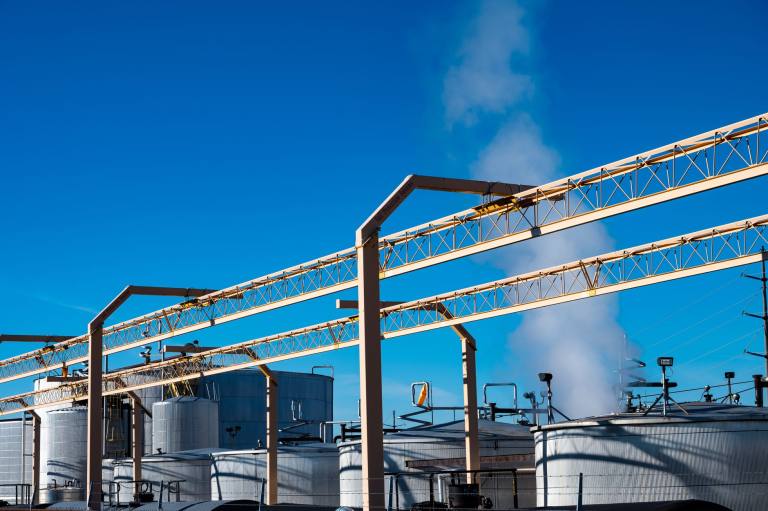
Process Engineering
Mass balance, reactor and agitator design, gas–liquid mass transfer, dosing regimes, aeration and power scheduling — and the capital and operating cost that follows from them.
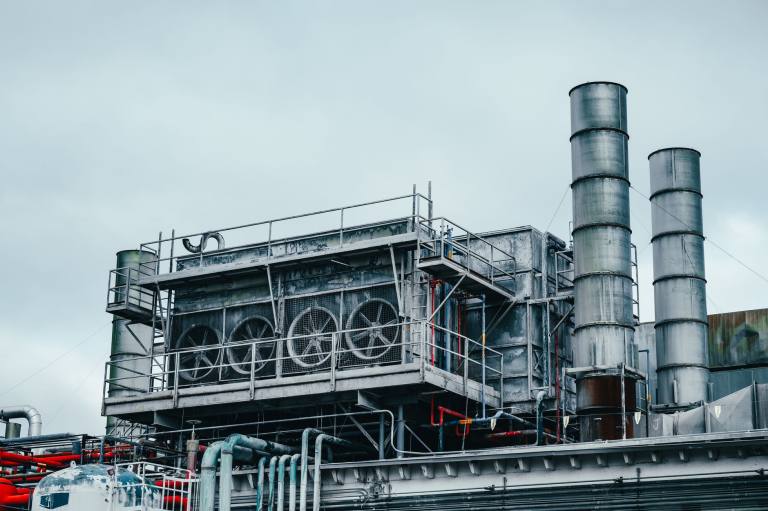
Mechanical Projects
Equipment specification, layout, skids and structures, and the mechanical detail that decides whether a good process design can actually be built and maintained.
Project Consulting
Technical review, feasibility and budgetary cost for a project not yet committed — including the least welcome finding, which is that it should be scoped differently.
Innovation and R&D Consulting
Where a real technical advantage exists in your process, whether it can be protected, and whether it is worth developing at all.
About our credentials
We do not publish client names, project details or photographs from a site unless that client has told us in writing that we may. Where you see a named reference on this website, permission was given for it.
That cuts both ways, and it is the point: if we work for you, your name does not appear here either. Ask us during a conversation and we will tell you what we have done, in the detail our obligations to other clients allow.
Questions before you engage us
What a client usually wants to know before asking us to look at a plant.
When is it worth bringing you in?
Before a project is committed, or when an operating plant is not meeting its consent or its design load. We are most useful where the load on paper and the load that arrives have parted company, and where the cost of finding out late is measured in years.
Do you work on existing plants or only on new designs?
Both. We retrofit an operating plant as readily as we design a new one, and most of the problems worth solving arrive in plants that are already running.
What does a first conversation involve?
You describe the plant and the problem: the stream that will not meet consent, the unit that underperforms, the project that needs a second opinion. We tell you honestly whether we are the right people for it and what a technical review would cover. Nothing is committed in that conversation.
Will you tell us if the project should not go ahead as planned?
Yes. Project consulting includes the least welcome finding, which is that a project should be scoped differently, or not at all. That finding is cheaper before the capital is spent than after.
Can we see references or client names?
We do not publish client names, project details or photographs from a site unless that client has told us in writing that we may, and if we work for you your name does not appear here either. In a conversation we describe what we have done, in the detail our obligations to other clients allow.
Which areas do you consult in?
Water and wastewater, industrial effluent treatment, environmental consent and monitoring, produced and oily water and combustion in oil and gas, process engineering, mechanical projects, project feasibility and cost, and innovation and R&D consulting.
Describe the plant and the problem.
A stream that will not meet consent, a unit that underperforms, a project that needs a second opinion before it is committed. Get in touch.