Circular economy in the process industry: where the loops actually close
In a process plant a loop closes only when the returning stream is fit for the duty it re-enters, which makes recycling a separation problem.
In a process plant a loop closes only when the returning stream is fit for the duty it re-enters, which makes recycling a separation problem.
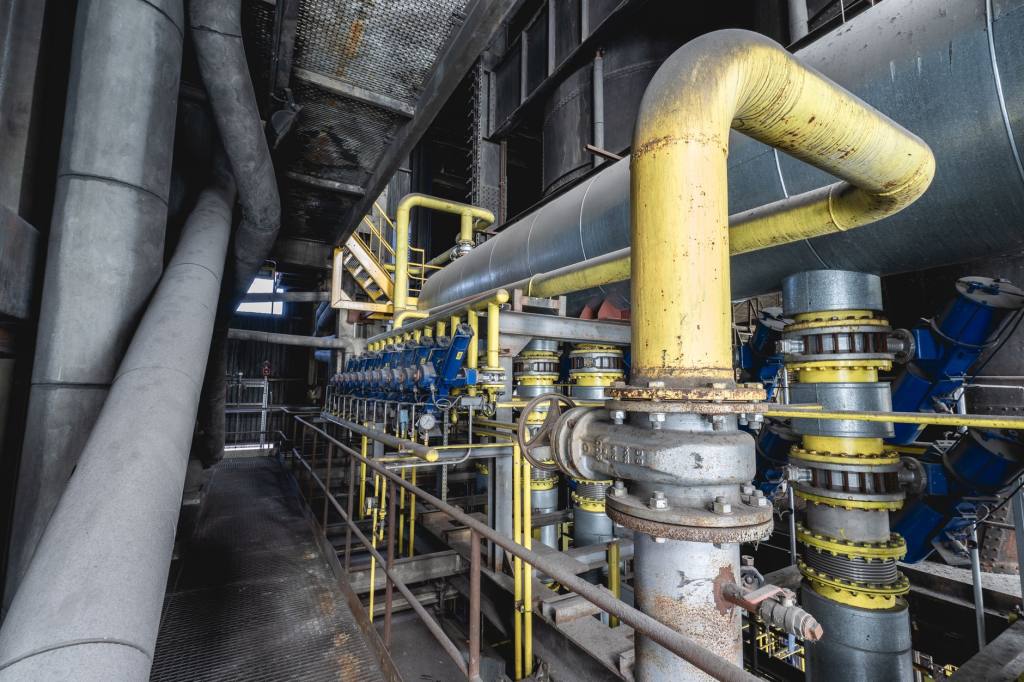
Most industrial energy and water is lost inside plants that already exist, so the useful work is retrofit: measure it, target it, change the fewest units.
Electrolytic hydrogen is a very small part of a large hydrogen business, and what limits it on site is electricity, cooling and water treatment.
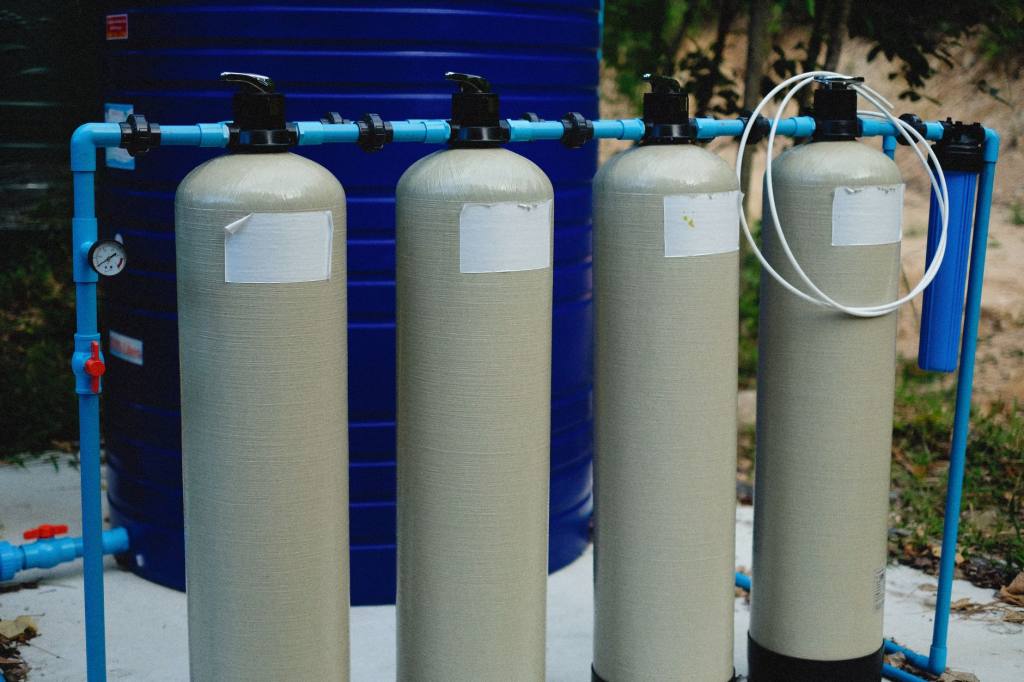
Zero liquid discharge pays when the alternative is closure or a water quota; the cost sits in the last cubic metre, and the boundary decides the number.
Advanced oxidation makes hydroxyl radicals; nanobubbles move gas into water. Knowing which does what decides whether the plant works or just costs.
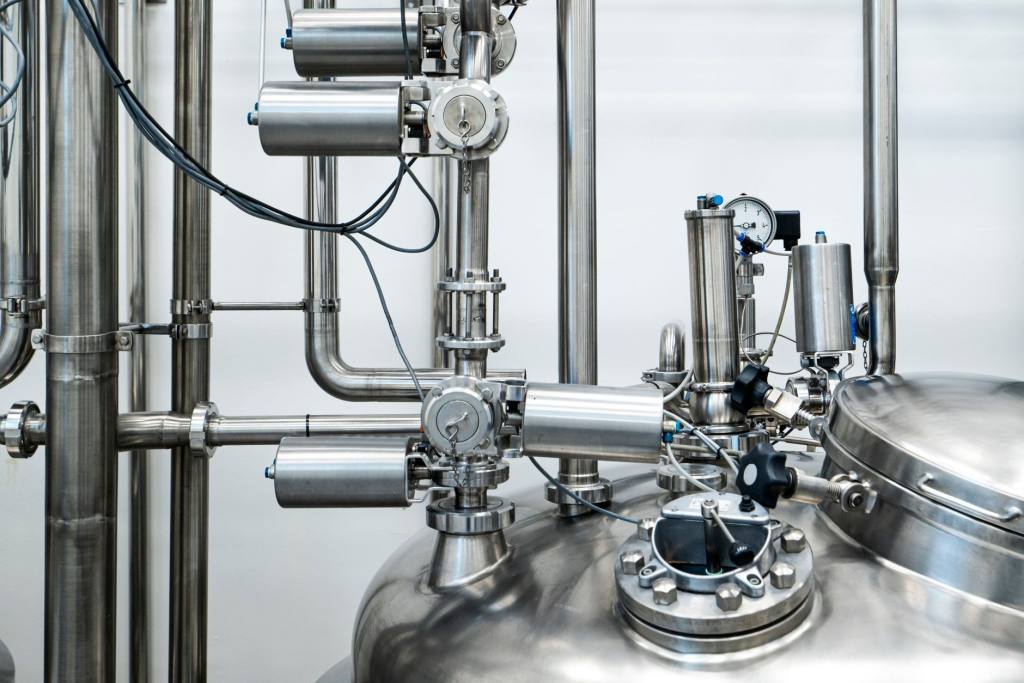
Process intensification removes a transfer limitation, not a drawing. It pays where the limitation is real, and rarely on a plant already optimised.