From a question to a part you can hold.
Most of what we are asked to build does not exist yet. The work below is one continuous line — understand the problem, shape an answer, prove it in software, then cut metal — and you can join it at any point.
Design and manufacturing capabilities
Engage us for the whole sequence, or for the single stage that is holding you up.
Market Research
Who else has solved this, how, and what it costs them. The point is to find out early whether a product should exist — which is cheaper to learn now than after tooling.
Ideation
Several genuinely different approaches rather than one refined early. Divergence is deliberate: the first workable idea is rarely the best one, and it is the hardest to abandon later.
Conceptualisation
Turning a chosen direction into something specific enough to argue with — operating principle, rough geometry, materials, the constraints it must live inside, and what would make it fail.
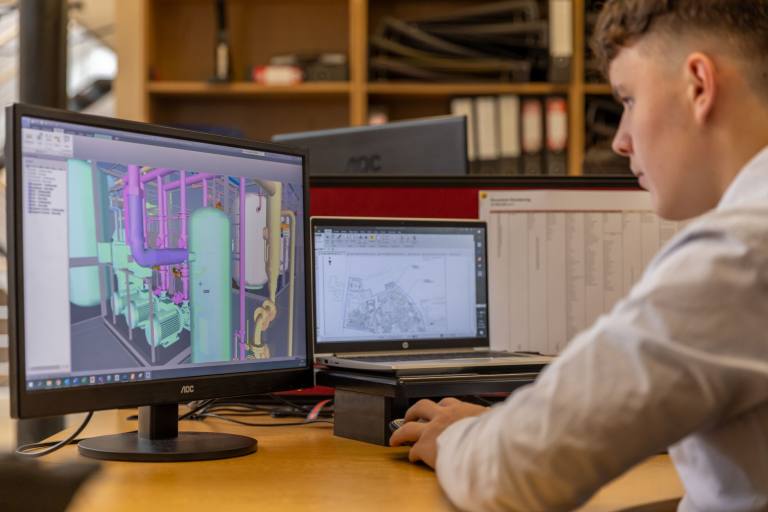
3D Design
Parametric CAD carried to the level the next step actually needs — assemblies, tolerances, fits and manufacturing drawings, modelled so a change to one dimension does not silently break five others.
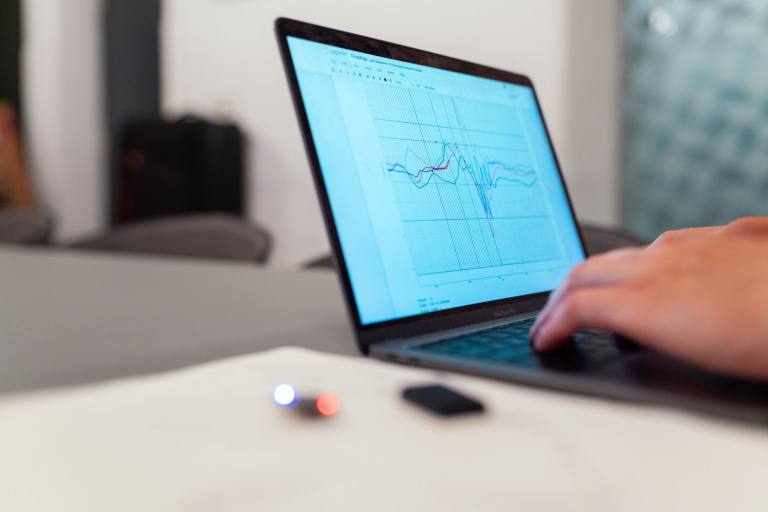
Simulation
Flow, structural and thermal behaviour examined before anything is made. Simulation does not replace testing — it decides which tests are worth paying for.
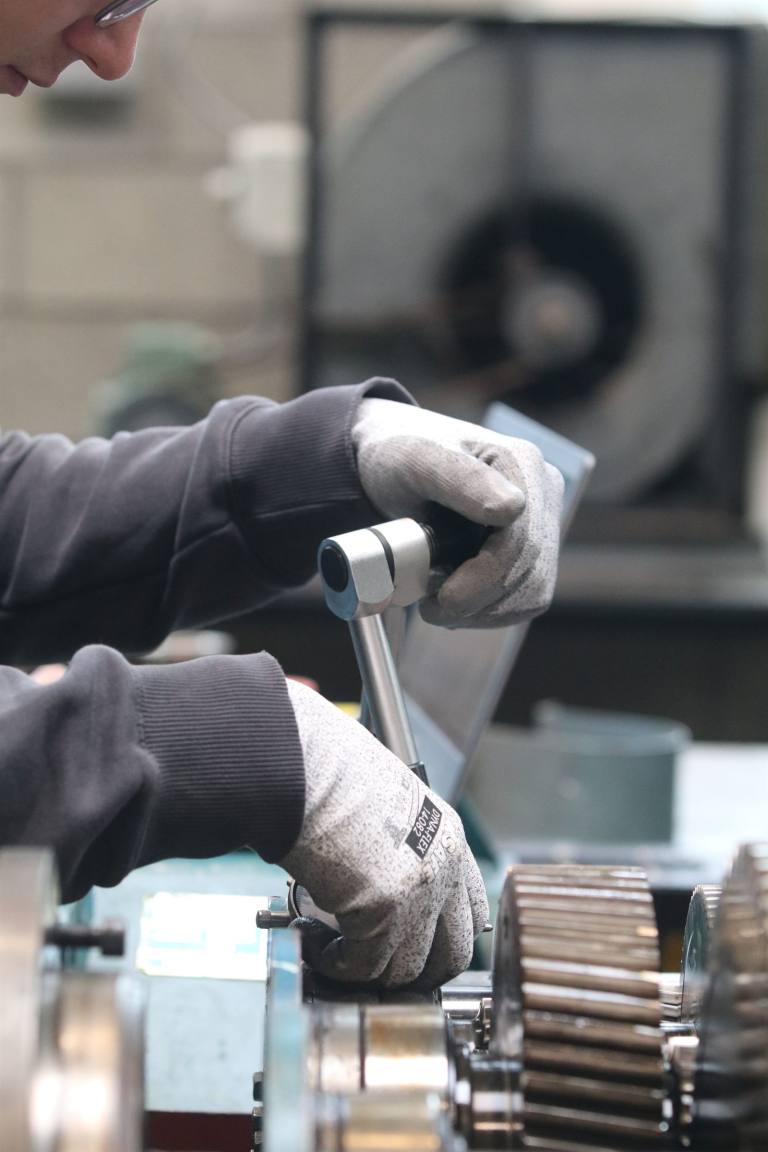
Prototype Manufacturing
A physical article to test, show or take to a customer — built by whichever process suits the question being asked, and iterated rather than perfected on the first attempt.
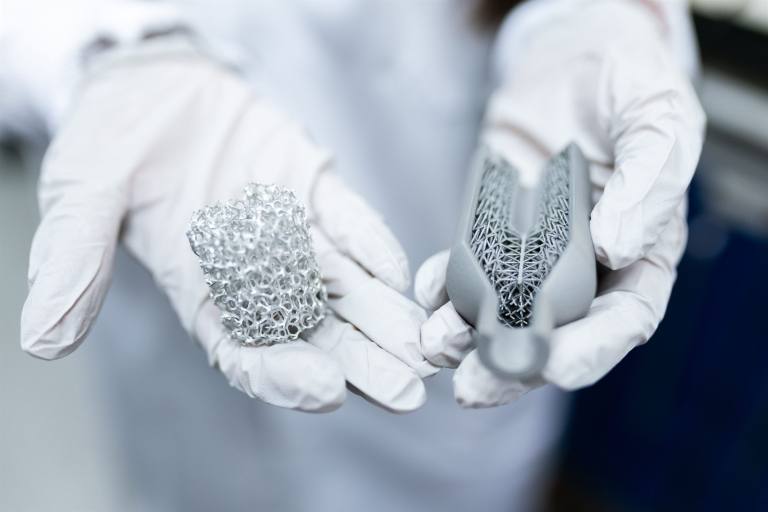
Additive Manufacturing
Geometry that cannot be machined or moulded — internal channels, lattices, consolidated assemblies. Used where it is the right answer, not because it is available.
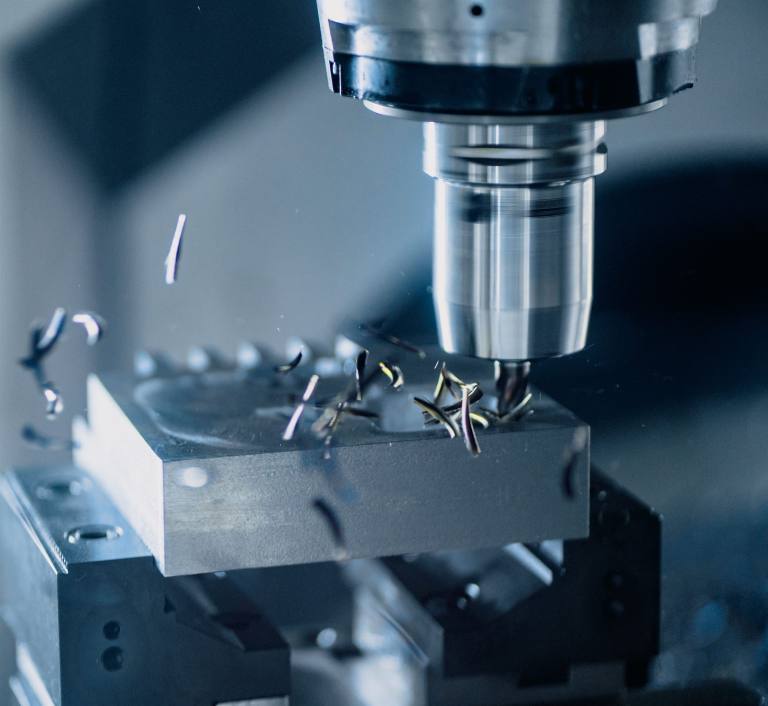
CNC Machining
Turned and milled components to drawing, in metals and engineering plastics, where tolerance and surface finish are the requirement rather than an aspiration.
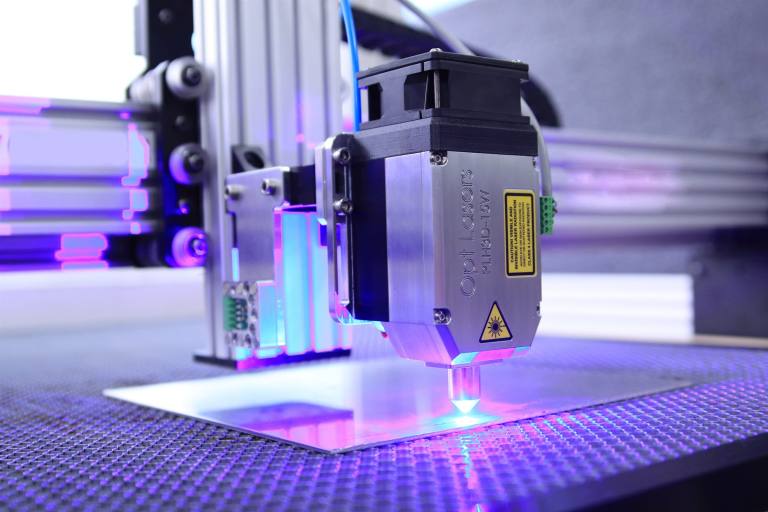
Sheet Metal Fabrication
Cutting, bending, forming and welding for enclosures, frames, tanks and skids — the structure that carries everything else and is usually specified last.
Questions before you engage us
The questions we are asked before a first job, answered the way we would answer them in the room.
Can we engage you for a single stage, for example only machining or only simulation?
Yes. The sequence on this page, from market research to sheet metal fabrication, is one continuous line, and you can join it at any point. Many engagements start with the single stage that is holding a project up, and stay there.
What do you need from us to give a straight answer?
Whatever you have: a drawing, a sketch, a sample, or a description of the problem and what the part has to do. Quantity, material and the tolerance or performance that actually matters help; if there is no drawing yet, that is where 3D Design begins.
Do you build one prototype or production quantities?
Prototype manufacturing means one article or a handful, built by whichever process suits the question being asked and iterated rather than perfected on the first attempt. Quantities beyond that are a separate conversation about the part, the process and the tooling, and we will say plainly what is practical.
Which processes and materials do you work in?
Turned and milled components in metals and engineering plastics where tolerance and surface finish are the requirement; cutting, bending, forming and welding for enclosures, frames, tanks and skids; and additive manufacturing where the geometry cannot be machined or moulded. Additive is used where it is the right answer, not because it is available.
Who owns the design, the drawings and the results?
You do. Ownership of anything arising from work we do for you is settled in writing before the work starts, not afterwards. We do not publish, present or reuse a client’s technical material, and we do not name clients on this website without their permission.
Where are you, and can you work with a company outside India?
The office is in Gandhinagar, Gujarat, India. Design, simulation and research are done with clients wherever they are; manufacturing is done here. Tell us where the part has to end up and we will tell you what is practical before anything is committed.
Tell us what you are trying to build.
Bring us a sketch, a specification, or a problem you have not solved yet. Start with a conversation.